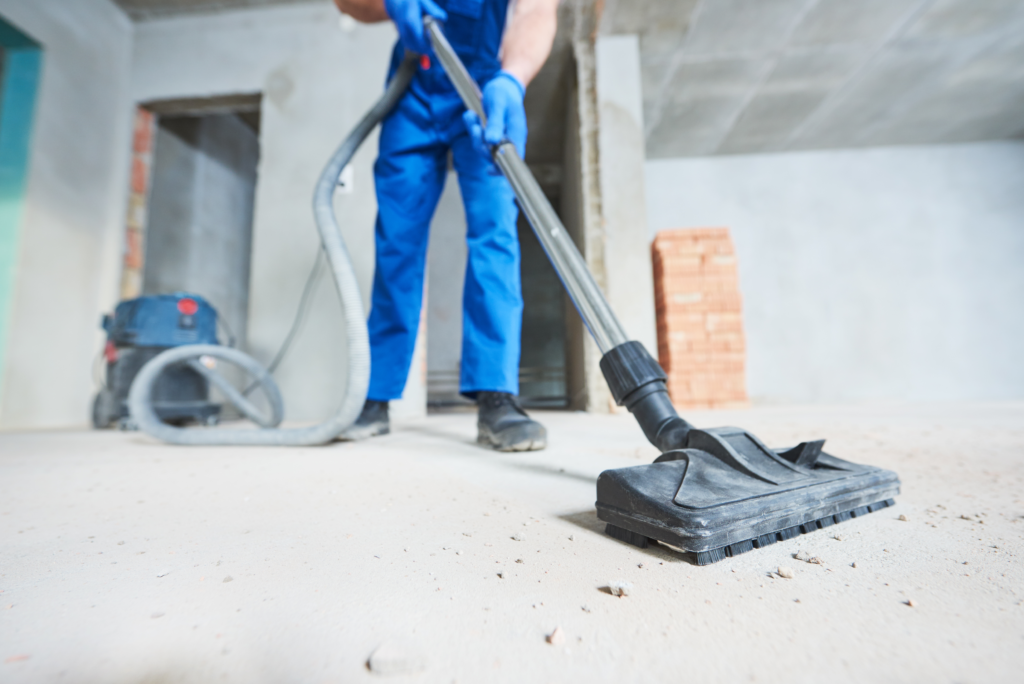
After a flood, your first instinct might be to grab a rental carpet cleaner and try to handle the cleanup yourself. While DIY carpet cleaning might seem like a quick fix, the truth is—it’s rarely enough after flood damage. In Warner Robins, where humidity is high and time is critical, professional restoration is key to protecting your health and home. Here’s what you need to know before you plug in that carpet cleaner.
What DIY Methods Miss
Household carpet cleaners are great for routine spills and pet messes—but they’re not built for flood recovery. Floodwater saturates not just the carpet fibers, but also the padding and subfloor underneath.
DIY cleaners often:
- Fail to extract all water from deep within the carpet
- Leave behind dirt and contaminants from floodwater
- Can’t detect or address hidden moisture in the padding or walls
- Don’t sanitize or neutralize bacteria
Without full extraction and drying, the moisture stays trapped—and that’s where the trouble begins.
Risks of Mold, Odor, and Residual Moisture
Floodwater isn’t clean. It often contains bacteria, debris, and even sewage. When it soaks into your carpet and isn’t properly removed, it creates a breeding ground for:
- Mold and mildew that grow within 24–48 hours
- Lingering odors that regular cleaners can’t touch
- Airborne contaminants that harm your indoor air quality
DIY methods leave you with a carpet that looks dry—but still poses serious health risks, especially to children, the elderly, or anyone with respiratory conditions.
Professional Tools That Make a Difference
At RightAway Restoration, we bring more than experience—we bring industrial-strength tools and proven techniques to Warner Robins homes.
Our process includes:
- Deep water extraction with high-powered vacuums
- Antimicrobial treatments to kill bacteria and prevent mold
- HEPA filtration and deodorization for cleaner indoor air
- Moisture meters to ensure every layer is truly dry
We don’t just clean carpets—we restore them safely and completely.
When It’s Time to Replace vs. Restore
Not all carpets can be saved after a flood. If water was contaminated (like from sewage or storm runoff), or if moisture sat for more than 48 hours, carpet replacement is often the safest option.
We’ll help you make the call by assessing:
- The type of water damage (clean, gray, or black water)
- The length of time the carpet stayed wet
- The level of contamination and structural damage
If it can be restored, we’ll do it right. If not, we’ll help you document the loss for your insurance company and find the best next steps.